



Nigeria’s energy landscape is undergoing a necessary transformation. Rising diesel costs, supply instability, and environmental concerns have made traditional power systems increasingly unsustainable for businesses. In response to this challenge, Solar–Gas Hybrid Energy Solutions in Nigeria are emerging as a practical and forward-looking alternative.
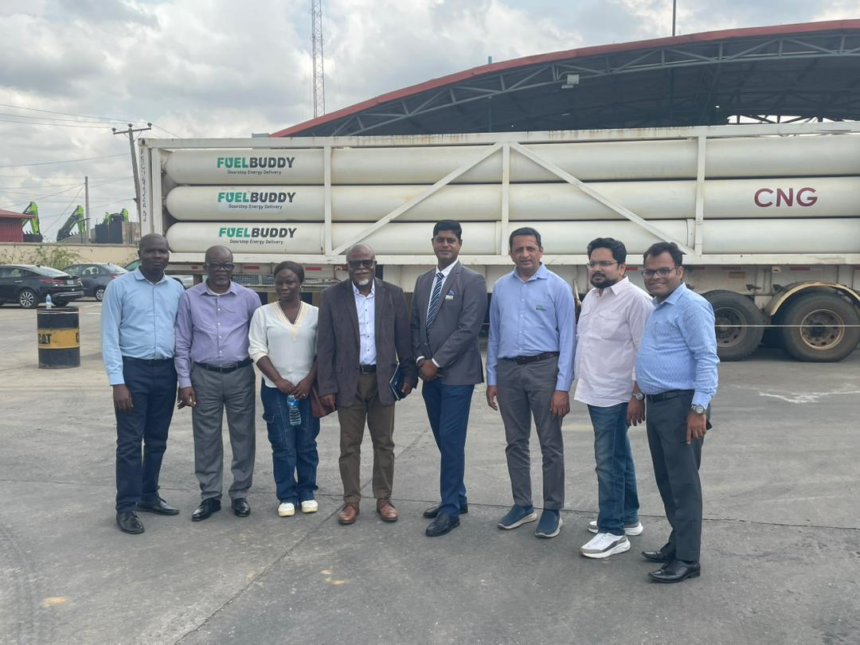
GreenPower Overseas Limited (“GreenPower”) has entered into a strategic partnership with Contec Global Energy Ltd, the company behind the Fuel Buddy brand, to accelerate the deployment of these hybrid systems across the country.
The GreenPower and Fuel Buddy Partnership

The Memorandum of Understanding (MOU), executed by Engr. Bamidele Faparusi for GreenPower and Mr. Neeraj Gupta for Contec Global Energy Ltd, establishes a collaborative framework for delivering integrated energy solutions.
This partnership combines:
- GreenPower’s extensive experience in solar and hybrid energy systems
- Fuel Buddy’s rapidly expanding Compressed Natural Gas (CNG) distribution network
Fuel Buddy, under Contec Global Energy Ltd, provides the gas infrastructure required for scalable deployment, while GreenPower leads system integration and project execution.
Why Solar–Gas Hybrid Energy Solutions Matter in Nigeria
Across Nigeria, businesses have long relied on diesel generators to power their operations, given their historical reliability and ability to function in remote areas with limited grid access. However, the increasing use of diesel has led to a range of pressing challenges:
1. Escalating Fuel Costs: The price of diesel fuel has seen significant increases, creating unsustainable operating expenses for many businesses that depend on these generators for continuous power supply.
2. High Maintenance Requirements: Diesel generators require regular maintenance and repair, which can be both time-consuming and costly. The parts and expertise needed for upkeep add to the financial burden on businesses.
3. Environmental Impact: The reliance on diesel fuel contributes to air pollution and greenhouse gas emissions, raising environmental concerns and regulatory scrutiny for companies striving to become more sustainable and socially responsible.
To address these multifaceted challenges, hybrid energy systems have emerged as an innovative solution. By integrating solar power with gas-based generation technologies, these systems offer a more sustainable and cost-effective energy alternative.
Organizations such as the International Energy Agency (IEA) are strongly advocating for the adoption of diversified energy systems that not only reduce dependence on fossil fuels but also enhance overall energy efficiency. This drive for diversification is crucial in a country like Nigeria, where energy access remains a pivotal issue for economic development.
Solar–Gas Hybrid Energy Solutions in Nigeria aim to capitalize on this opportunity. By harnessing the abundant solar resources available across the country and combining them with cleaner gas-powered generation, these solutions promise to deliver more reliable, affordable, and environmentally friendly energy options for businesses. This shift not only addresses immediate operational needs but also aligns with global efforts to foster sustainable energy practices and mitigate climate change.
Key Benefits for Commercial and Industrial Users
The partnership aims to provide substantial and measurable benefits for businesses in the commercial and industrial sectors through a comprehensive energy solution:
1. Cost Efficiency
Businesses can realize significant savings on their energy expenses, with reductions of up to 50%. This is achieved through the implementation of an optimized energy mix that maximizes the use of renewable sources while minimizing reliance on diesel fuel. By reducing diesel consumption and incorporating cleaner energy alternatives, companies can enhance their financial performance.
2. Improved Reliability
The hybrid energy systems are designed to guarantee a steady and uninterrupted power supply. This is accomplished by integrating multiple energy generation methods:
- Solar Generation: Harnessing solar energy during the daytime ensures a consistent supply of renewable energy.
- Battery Storage: Advanced battery systems act as a backup, storing excess energy generated during the day to be used during peak demand times or when solar generation is not available.
- Gas-Powered Generation: This offers an additional layer of stability, providing reliable power generation on demand and ensuring that energy supply remains consistent even in fluctuating conditions.
3. Reduced Carbon Emissions
Transitioning from diesel to cleaner alternatives such as natural gas and solar energy significantly mitigates the carbon footprint of businesses. This shift not only supports corporate sustainability goals but also contributes positively to environmental conservation efforts by lowering greenhouse gas emissions and promoting cleaner air quality.
4. Scalable Energy Infrastructure
The energy systems offered are designed with scalability in mind, allowing businesses to customize and expand their energy infrastructure in accordance with their specific operational needs and growth potential. This flexibility ensures that the energy solution can evolve alongside the business, accommodating increased energy demands without sacrificing efficiency or reliability.
Technology Behind the Solar–Gas Hybrid Energy Model
The Solar–Gas Hybrid Energy Solutions initiative in Nigeria, implemented through this strategic partnership, brings together three fundamental technologies to create a resilient and sustainable energy system:
1. Solar Photovoltaic (PV) Systems: These systems harness the abundant sunlight available in Nigeria, converting it into clean, renewable electricity. By utilizing solar PV technology, the initiative significantly decreases reliance on traditional fuel-based power generation methods, which are often costly and environmentally detrimental. This shift not only promotes energy independence but also contributes to the reduction of greenhouse gas emissions.
2. Battery Energy Storage Systems (BESS): To ensure a reliable energy supply even during periods of low sunlight, the project incorporates advanced battery energy storage systems. These systems capture and store excess solar energy generated during sunny hours, allowing for its use during non-sunny periods or peak demand times. By integrating BESS, this solution enhances grid stability and provides a continuous power supply, thus minimizing interruptions and promoting efficient energy use.
3. Compressed Natural Gas (CNG)-Based Power Systems: To complement the renewable energy sources, the hybrid system includes CNG-based power systems that serve as a consistent backup power source. CNG, being a cleaner alternative to diesel, significantly reduces emissions, contributing to improved air quality and lower environmental impact. This ensures that even if solar generation is insufficient, the system can maintain reliable power delivery to users.
GreenPower’s extensive expertise in energy solutions guarantees that these diverse components are seamlessly integrated into a cohesive, intelligent energy management system. This holistic approach not only maximizes efficiency but also enhances the overall performance and reliability of the energy supply in Nigeria, paving the way for a sustainable energy future.
Industry Applications
The partnership targets sectors with high and continuous energy demand:
- Manufacturing facilities
- Industrial estates
- Hotels and hospitality businesses
- Telecom infrastructure
- Commercial complexes
These sectors stand to benefit the most from reliable and cost-efficient energy solutions.
Leadership Insights
Engr. Bamidele Faparusi, representing GreenPower, emphasized:
“This partnership represents a major milestone in our mission to deliver cost-effective and sustainable energy solutions across Nigeria. By combining solar, storage, and gas, we are creating a smarter energy mix that significantly reduces cost and improves reliability for our clients.”
Mr Neeraj Gupta of Fuel Buddy added:
“As Nigeria accelerates its adoption of cleaner fuels like CNG, this collaboration allows us to extend our value beyond fuel supply into integrated energy solutions.”
Future Outlook for Nigeria’s Energy Sector
The shift toward hybrid energy systems reflects a broader transition within Nigeria’s power sector.
Institutions such as the World Bank have consistently highlighted the need for sustainable and diversified energy infrastructure in emerging economies.
The GreenPower–Fuel Buddy partnership is well-positioned to contribute meaningfully to this transition by:
- Reducing reliance on diesel
- Enhancing energy security
- Supporting industrial growth
Conclusion
Solar–Gas Hybrid Energy Solutions in Nigeria represent a pragmatic and scalable response to the country’s energy challenges.
Through this partnership, GreenPower and Fuel Buddy are not merely introducing a new product; they are establishing a model for how energy should be generated, distributed, and consumed in a modern industrial economy. For businesses seeking reliability, cost savings, and sustainability, the future is no longer singular; it is hybrid.